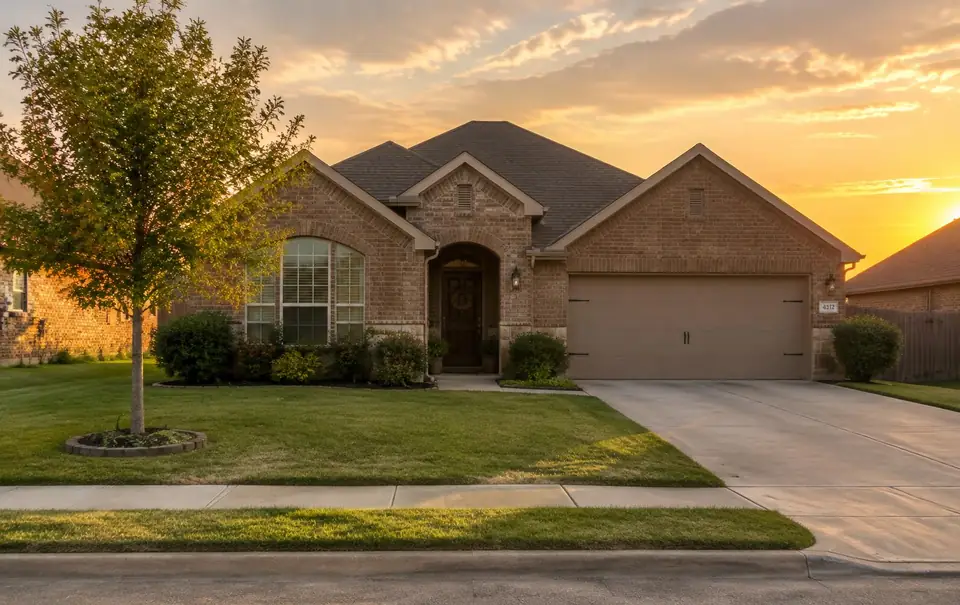
Cash home buyers in Illinois
Sell Your House Fast in Illinois for Cash
Get a fair, no-obligation cash offer on your Illinois house, usually within 24 hours. Sell as-is and pick your closing date.
How It Works
Three simple steps. No hassle.
Tell us about your house
Fill out the short form or give us a call. It's free and there's no obligation.
Get a fair cash offer
We review your property and present a no-pressure cash offer, usually within 24 hours.
Close on your timeline
We'll work with you on a closing date that fits your timeline, often in a few weeks, depending on title and paperwork.
Selling a House Fast in Illinois: What to Know
From Chicago two-flats and bungalows to suburban ranches and downstate farmhouses, Illinois has a lot of older housing, and older houses come with older roofs, basements that take on water, and outdated electrical and plumbing. Add some of the highest property taxes in the country, and an inherited or vacant house can become a real financial burden.
Fast Home Offer Today makes as-is cash offers on Illinois houses. Skip the repairs, the municipal inspections you'd otherwise prepare for, and months of showings. Request a no-obligation cash offer and pick your closing date.
Facing Foreclosure in Illinois?
Illinois is a judicial foreclosure state, so the lender must file a lawsuit in circuit court. Homeowners generally have a 90-day reinstatement period after being served, during which they can catch up on missed payments, and a redemption period that typically runs until the later of seven months from service or three months from the judgment. After that, a judicial sale is held (in Cook County this is often run by a private judicial sales officer), and the court must confirm the sale. The whole process commonly takes many months to over a year. Cook County and some other counties offer foreclosure mediation programs.
That timeline gives you room to sell, pay off the loan and keep any equity, but only if you act before the sale. Talk to a foreclosure attorney licensed in Illinois or a HUD-approved housing counselor, and call us for a cash option.
Selling an Inherited House in Illinois
Illinois' small estate affidavit covers only personal property (generally up to $100,000) and can't be used to transfer real estate, so an inherited house often goes through probate unless it was held in a trust, in joint tenancy, or with a Transfer on Death Instrument. Many estates use "independent administration," which lets the executor or administrator sell the home without a court hearing for each step.
We work with Illinois heirs and probate attorneys regularly, and can sign a contract while the estate is open and close once the representative has authority.
How Closings Work in Illinois
In Illinois, both buyer and seller usually have their own real estate attorney, and a title company runs the closing. Sellers typically pay state and county transfer taxes, and some municipalities (including Chicago) charge their own transfer taxes or require water certifications, zoning certificates or point-of-sale inspections before the deed can be recorded. Cook County property taxes are paid in arrears, so sellers usually give the buyer a credit at closing for taxes owed. We coordinate all of it.
Houses We Buy in Illinois
We buy single-family homes, bungalows, two-flats and small multi-unit buildings, condos and townhomes, including houses with basement water problems, old roofs, code violations, back taxes or tenants in place.
- Single-family homes
- Townhouses and condos
- Duplexes and small multifamily (2–4 units)
- Mobile and manufactured homes on owned land
- Vacant and rental houses
Areas we buy in include: Chicago, Aurora, Joliet, Naperville, Rockford, Springfield, Peoria, Elgin, Champaign–Urbana, the Metro East, the Quad Cities, and smaller towns across Illinois.
We Buy in Any Situation
Illinois FAQs
How long does a foreclosure take in Illinois?
Usually many months, because it runs through the courts and includes reinstatement and redemption periods, but timelines vary by county and case.
Can I sell an inherited house in Illinois without probate?
Sometimes, if the home was in a trust, joint tenancy or a Transfer on Death Instrument. Otherwise probate is usually required to transfer real estate. Ask a probate attorney licensed in Illinois.
Do I need a city inspection before selling?
Some Illinois towns require point-of-sale inspections or transfer stamps. We buy as-is and help navigate local requirements.
Do I need an attorney to sell my house in Illinois?
Attorney representation is customary in Illinois real estate deals, and we recommend it.
Ready for Your Cash Offer?
Call now or fill out the form — no obligation.
This page is general information, not legal advice. Laws change, so talk to a real estate attorney licensed in Illinois about your situation. Last reviewed October 20, 2026.