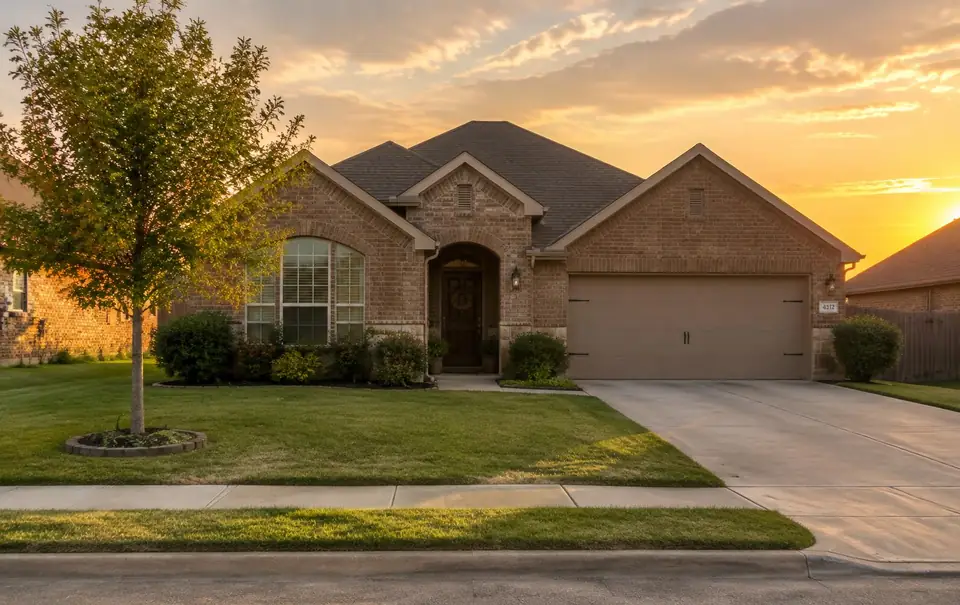
Cash home buyers in Florida
Sell Your House Fast in Florida for Cash
Get a fair, no-obligation cash offer on your Florida house, usually within 24 hours. Sell as-is and pick your closing date.
How It Works
Three simple steps. No hassle.
Tell us about your house
Fill out the short form or give us a call. It's free and there's no obligation.
Get a fair cash offer
We review your property and present a no-pressure cash offer, usually within 24 hours.
Close on your timeline
We'll work with you on a closing date that fits your timeline, often in a few weeks, depending on title and paperwork.
Selling a House Fast in Florida: What to Know
Florida homeowners face pressures that are unique to the state. Older roofs can make homeowners insurance hard to get or very expensive, condo owners may be facing large special assessments for structural repairs, and hurricane or water damage can turn a house into a project overnight. Any of these can make a traditional sale slow or fall through when a buyer's lender or insurer balks.
A cash sale removes those hurdles. Fast Home Offer Today makes as-is cash offers on Florida houses and condos, roof, water damage and all. Request an offer, usually delivered within 24 hours, and close on your schedule.
Facing Foreclosure in Florida?
Florida is a judicial foreclosure state: the lender must file a lawsuit in circuit court, and the homeowner is served and generally has 20 days to respond. If the court enters a final judgment, the property is sold at a public auction run by the county clerk, which is held online in many counties. Because the process runs through the courts, Florida foreclosures often take many months and sometimes over a year, but deadlines inside the lawsuit are strict. Homeowners typically have a right to redeem the property up until the clerk files the certificate of sale (unless the judgment sets a different time).
Selling during the lawsuit can pay off the loan and stop the case before it reaches a sale. Talk to a foreclosure attorney licensed in Florida about your defenses, and talk to us about a fast cash option.
Selling an Inherited House in Florida
Florida offers "summary administration" for smaller estates (generally when the non-exempt estate is $75,000 or less, or the person died more than two years ago) and "formal administration" for others. Florida's homestead laws are special: if the owner is survived by a spouse or minor child, there are restrictions on how the home can be left and sold, and a court may need to determine homestead status before a sale. Out-of-state heirs are common in Florida, and we can handle most of the process remotely with you.
We'll make an offer while the estate is open and coordinate the closing with your attorney once the personal representative has authority to sell.
How Closings Work in Florida
Florida closings are handled by title companies or real estate attorneys. The state charges a documentary stamp tax on deeds (generally $0.70 per $100 of the sale price, with different rates in Miami-Dade), which by custom in most of the state the seller pays. Condo and HOA properties also need an estoppel certificate showing any dues owed. We take care of ordering what's needed.
Houses We Buy in Florida
We buy single-family homes, condos and townhomes, villas, manufactured homes on owned land, and rentals: older roofs, hurricane or flood damage, mold, polybutylene or cast-iron plumbing, and properties that can't get insured.
- Single-family homes
- Townhouses and condos
- Duplexes and small multifamily (2–4 units)
- Mobile and manufactured homes on owned land
- Vacant and rental houses
- Vacant land
Areas we buy in include: Miami, Fort Lauderdale, West Palm Beach, Tampa–St. Petersburg, Orlando, Jacksonville, Fort Myers–Cape Coral, Sarasota, Lakeland, Pensacola, Tallahassee, and smaller towns across Florida.
We Buy in Any Situation
Florida FAQs
Can I sell my Florida house if I can't get insurance on it?
Yes. Cash buyers don't need a mortgage, so the lender insurance requirements that stop many buyers don't apply to us.
How long does foreclosure take in Florida?
Because it goes through the courts, often many months or longer, but every case is different and court deadlines are strict. Selling before the auction can end the case.
Who pays doc stamps in Florida?
By custom the seller usually pays the deed's documentary stamp tax, but it's negotiable. We'll show the costs clearly in our offer.
Do you buy vacant land in Florida?
Yes. In Florida we also buy vacant land, in addition to the houses and other property types listed on this page. Request an offer with the parcel's address (or call us with the parcel ID if it has no street address) and we'll follow up.
Ready for Your Cash Offer?
Call now or fill out the form — no obligation.
This page is general information, not legal advice. Laws change, so talk to a real estate attorney licensed in Florida about your situation. Last reviewed October 20, 2026.